
Local Culture Across Coastal Communities
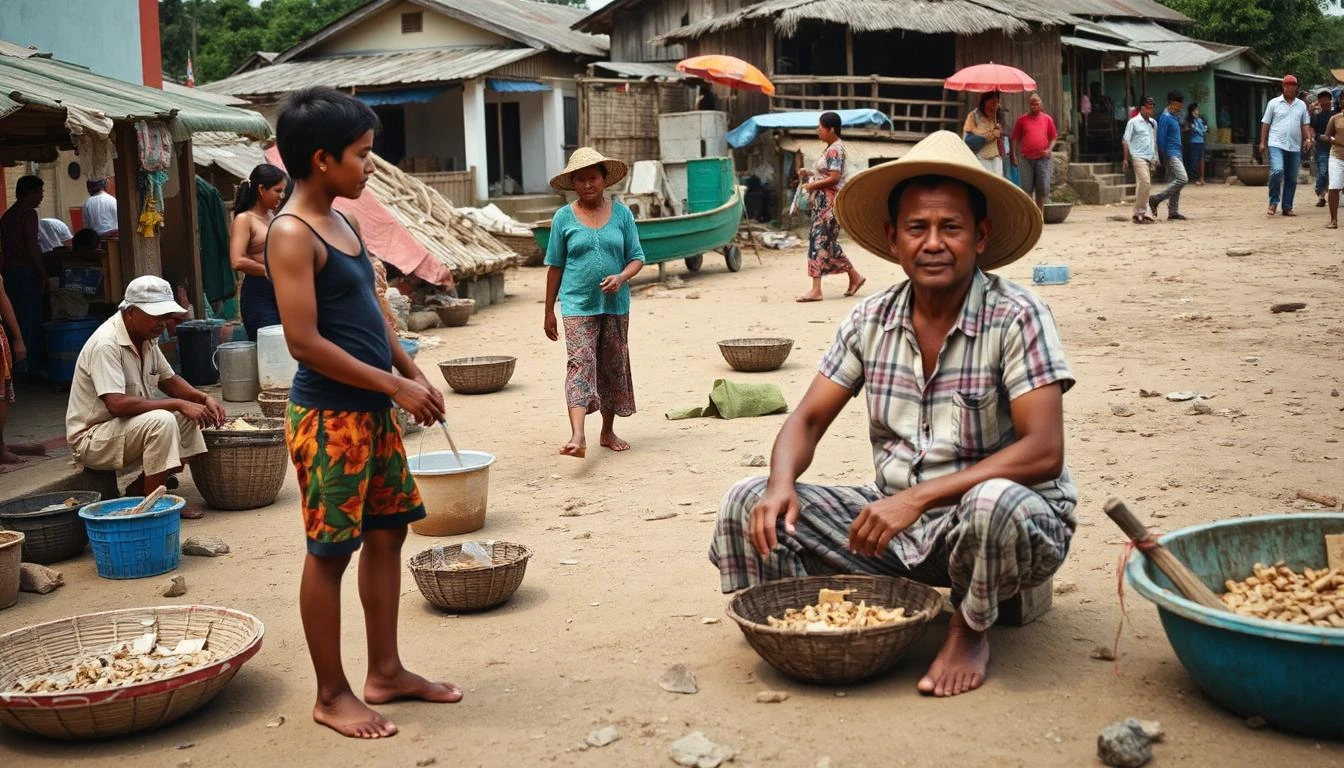
There is something captivating about coastal regions that goes far beyond beautiful beaches and ocean views. Hidden within fishing villages, harbor towns, and waterfront settlements are stories, customs, and ways of life that have been shaped by generations of interaction with the sea. These communities preserve traditions that continue to influence daily living, social connections, and local identity in ways that many travelers never fully discover.
Across the world, coastal community culture represents a fascinating blend of history, adaptation, and community spirit. From traditional fishing practices to local celebrations and maritime heritage, coastal societies offer a unique perspective on how people maintain cultural identity while embracing modern lifestyles. Understanding these communities allows readers to explore a deeper side of global lifestyle trends that remains highly relevant today.
Understanding Coastal Community Traditions
Behind every coastal town lies a collection of customs and values that have evolved over centuries. Before exploring festivals, arts, and heritage preservation, it is important to understand the foundations that shape coastal life and explain why these traditions continue to thrive in a rapidly changing world.
The richness of coastal culture traditions can be seen in the daily routines, social practices, and cultural expressions that connect people to both their environment and their community. These traditions are not simply historical remnants; they remain active parts of modern coastal lifestyles that continue to influence generations.
Historical Influences on Local Culture
Coastal communities have long served as gateways for trade, migration, and cultural exchange. For centuries, merchants, explorers, and sailors introduced new ideas, foods, languages, and customs to coastal settlements. As a result, many waterfront regions developed diverse cultural identities that combine local heritage with influences from distant lands.
The history of these communities can often be traced through architecture, cuisine, folklore, and traditional ceremonies. Each element reflects how coastal populations adapted to changing economic and social conditions while preserving their distinct character.
As cultural anthropologist Margaret Mead once stated, "Culture is learned behavior shared by members of a society." Her observation highlights how coastal communities continuously pass knowledge and traditions from one generation to another, ensuring their cultural identity remains relevant despite modernization.
Community Values and Lifestyles
Life along the coast often revolves around cooperation and shared responsibility. Fishing activities, local markets, environmental conservation efforts, and community gatherings encourage strong social bonds among residents.
Many coastal societies place significant importance on mutual support and collective well-being. This lifestyle creates resilient communities capable of adapting to economic changes and environmental challenges while maintaining social harmony.
Today, these values resonate strongly with modern lifestyle trends that emphasize sustainability, meaningful connections, and community engagement. Coastal communities demonstrate that traditional values can remain highly relevant in contemporary society.
Maritime Heritage and Identity
The relationship between coastal communities and the sea forms a central part of local identity. Maritime heritage extends beyond economic activities and becomes a symbol of cultural pride, resilience, and belonging.
Traditional boats, navigation techniques, fishing knowledge, and oral storytelling traditions continue to shape how communities view themselves. These elements serve as living reminders of generations who depended on the ocean for survival and prosperity.
Many coastal regions actively preserve maritime heritage through museums, cultural centers, and educational programs, ensuring that future generations remain connected to their roots.
Cultural Experiences Along The Coast
For many visitors, the most memorable aspect of coastal destinations is not the scenery itself but the cultural experiences that bring local traditions to life. These experiences provide meaningful opportunities to engage directly with communities and better understand their unique way of living.
The diversity found across coastal regions creates a rich cultural landscape where festivals, artistic expressions, and community celebrations continue to play an essential role in preserving local identity.
Festivals and Local Celebrations
Festivals remain among the most vibrant expressions of coastal culture. Throughout the year, communities organize events that celebrate fishing seasons, maritime history, religious traditions, and local achievements.
These gatherings often feature traditional foods, colorful processions, storytelling sessions, and cultural performances that strengthen community bonds while attracting visitors interested in authentic experiences.
Participating in local festivals offers a valuable opportunity to witness cultural traditions in their most dynamic form and gain insight into the values that shape coastal societies.
Traditional Crafts and Arts
Traditional craftsmanship remains an important part of coastal cultural heritage. Skilled artisans continue producing handmade goods inspired by the sea, including woven products, decorative carvings, pottery, and fishing-related equipment.
These crafts represent more than artistic expression. They preserve generations of knowledge while supporting local economies and strengthening cultural identity.
Many travelers increasingly seek authentic handmade products because they provide a direct connection to the history and creativity of local communities.
Music and Cultural Performances
Music has always played a significant role in preserving collective memory within coastal societies. Folk songs, sea shanties, traditional dances, and theatrical performances often tell stories of migration, fishing adventures, community struggles, and cultural celebrations.
These performances allow younger generations to connect with their heritage while offering visitors a deeper understanding of local traditions.
Historian David McCullough once noted that "History is a guide to navigation in perilous times." In many coastal communities, music and storytelling continue to serve exactly that purpose by preserving experiences and lessons from the past for future generations.
How Coastal Communities Preserve Their Heritage
As globalization and modernization continue to influence societies worldwide, preserving cultural heritage has become increasingly important. Coastal communities face unique challenges, but many have developed effective ways to protect the traditions and landmarks that define their identity.
Their efforts demonstrate how cultural preservation can coexist with economic development and technological progress without sacrificing authenticity.
Protecting Cultural Landmarks
Historic waterfronts, lighthouses, ports, temples, and community gathering spaces serve as physical connections to the past. These landmarks help tell the stories of generations who shaped local culture through their relationship with the sea.
Conservation initiatives, restoration projects, and heritage tourism programs contribute to protecting these important sites from environmental and developmental pressures.
By preserving cultural landmarks, communities create opportunities for education while strengthening local pride and cultural continuity.
Passing Traditions Through Generations
One of the most effective forms of cultural preservation occurs within families and local communities. Elders teach traditional fishing methods, culinary techniques, folklore, and ceremonial practices to younger generations.
Schools, museums, and cultural workshops also play important roles in ensuring that valuable knowledge remains accessible and relevant.
This transfer of knowledge transforms cultural heritage into a living tradition rather than a collection of historical artifacts.
Supporting Local Cultural Initiatives
Community organizations, cultural associations, and local governments often collaborate to support heritage preservation through festivals, exhibitions, educational programs, and conservation projects.
These initiatives encourage public participation while increasing awareness of local history and traditions. They also create opportunities for residents and visitors to contribute to the long-term sustainability of cultural heritage.
As interest in authentic travel experiences continues to grow, community-led cultural initiatives are becoming increasingly important in preserving local identity.
Discover The Rich Culture Across Coastal Communities Today
The cultural richness found across coastal communities continues to inspire people around the world. While many traditions have evolved to meet modern needs, the values, stories, and heritage that define coastal societies remain remarkably strong.
Whether through festivals, maritime traditions, local arts, or community-driven preservation efforts, these regions offer valuable lessons about resilience, identity, and cultural continuity. They remind us that meaningful cultural experiences often exist beyond popular tourist attractions and can be found in the everyday lives of local people.
If you are searching for a deeper understanding of global lifestyles and authentic cultural experiences, exploring coastal communities may reveal perspectives and traditions that continue to shape societies in unexpected ways. Their stories are not only worth preserving but also worth experiencing firsthand.